
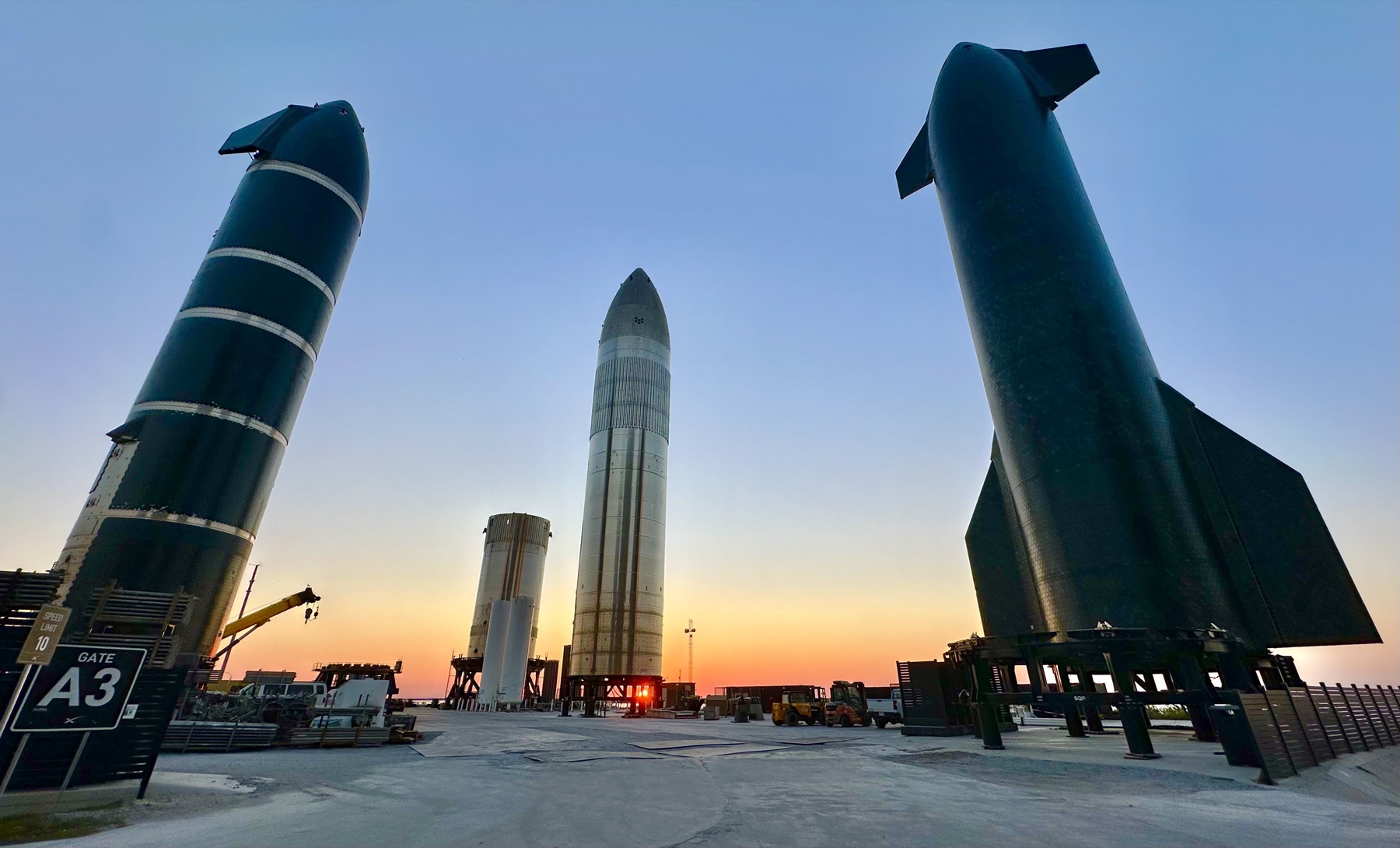
The most revealing moment in Starship’s next flight may be a decision to keep going.
SpaceX says the ship will first coast on a path that naturally brings it back to Earth. Only after controllers check its condition will they commit it to orbit. The distinction is consequential: before that decision, coming down is built into the trajectory; afterward, the spacecraft must arrange its return.[2]
Flight 14 is targeting September 28 at the earliest, pending regulatory approval. The company plans six orbits over nearly ten hours, deployment of 26 Starlink V3 satellites and a Pacific splashdown west of Chile. The booster is headed for an offshore landing, not a tower catch. These are objectives, not accomplishments.[1]
SpaceX plans heat-shield photographs from three satellites, two reflown tiles and curved tiles targeting gap heating.[1]
That gives this test a story worth following after the launch flame disappears. Its promise is a connection between three things that are easy to celebrate separately: reaching a destination, delivering something useful and getting the vehicle back. The difficult question is what kind of evidence would connect them strongly enough to support a repeatable service. A spectacular departure can tell us little about the answer.
The moment space becomes a destination
There is no shelf above the atmosphere on which a rocket can park. An orbiting object is moving while gravity continuously changes its direction. NASA’s explanation of orbit rests on that combination: motion carries the object onward, while gravity bends its path around the larger body. Reaching a great height and travelling fast enough in the right direction are different achievements. An object can reach space and still follow a path that promptly intersects the atmosphere.[3]
SpaceX’s September 15 explanation gives the decision a specific form. After the initial ascent, the company says controllers can leave Starship on an Indian Ocean return trajectory or command a separate engine firing to establish orbit. Once there, monitoring continues, with opportunities to bring the ship down early. The stated checks include propulsion, electrical power, navigation, pressure control and the ability to point the vehicle. This is the operator’s planned safeguard, not an independent finding that every failure is covered.[2]
A flight in five moments
Planned elapsed time[1]
Orbit insertion
00:25:28–00:25:47
Checked September 21, 2026. Plans may change. No results recorded.
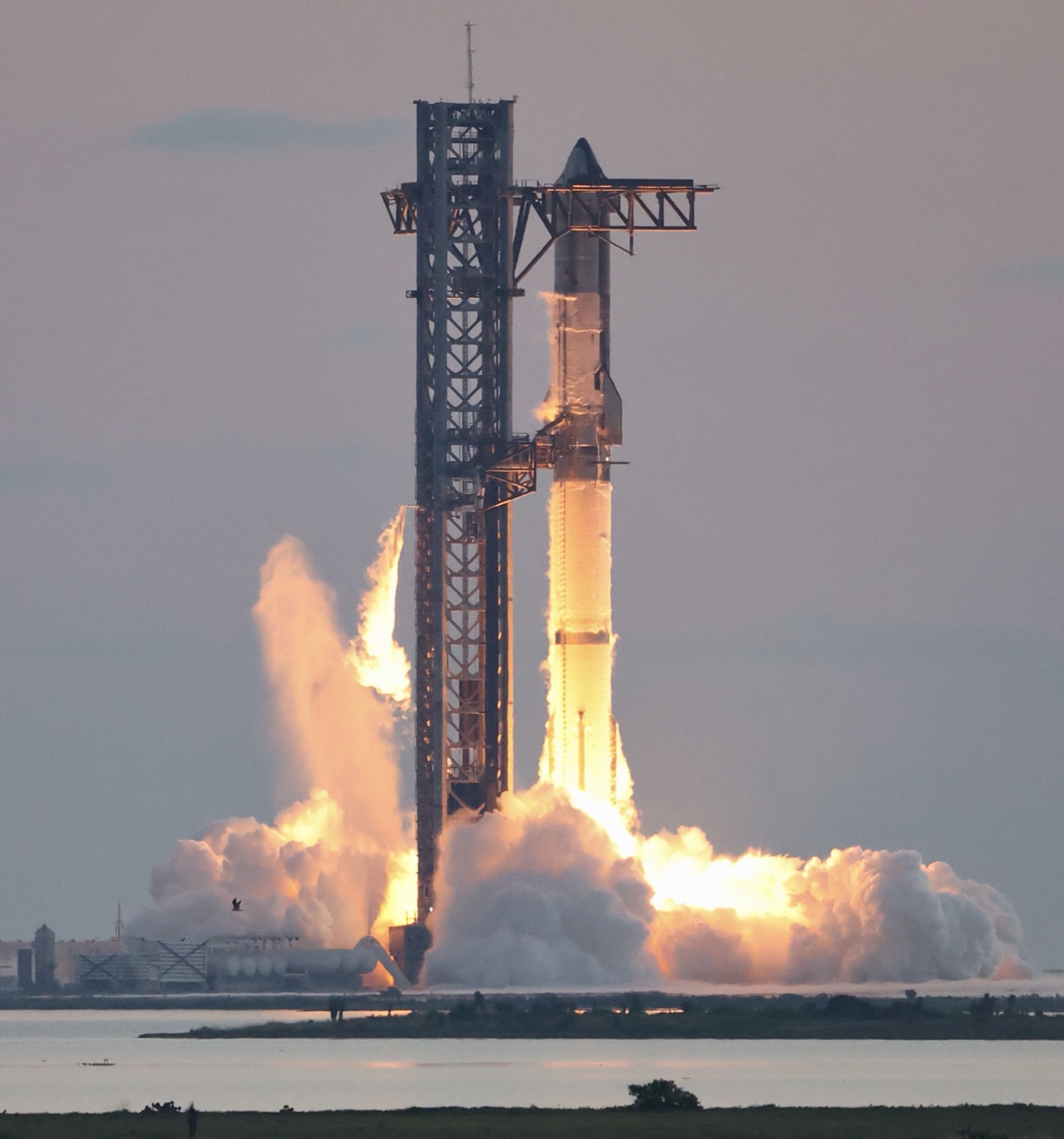
Image details
Proportional resize to maximum 1600 pixels and JPEG recompression; no crop, retouching or generated content.
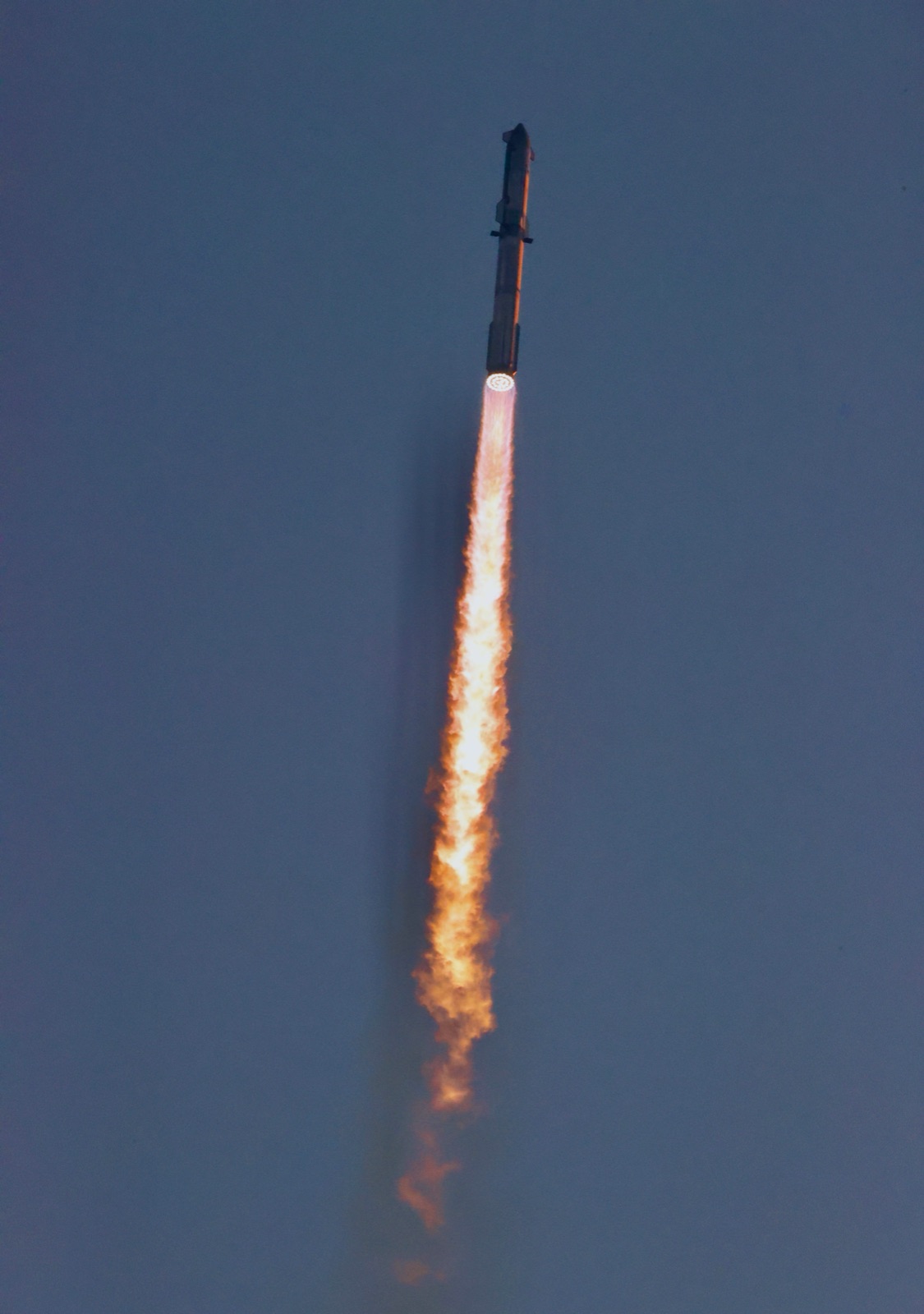
Image details
Proportional resize to maximum 1600 pixels and JPEG recompression; no crop, retouching or generated content.
Cargo with a job waiting on Earth
The satellites give the mission an immediate connection to people who will never board a spacecraft. Starlink describes V3 as a new design intended to support one terabit per second of downlink capacity per satellite. Its technical update describes larger communications capability, upgraded antennas, inter-satellite laser links and more electrical power. Those are the supplier’s design claims. They are not a measurement of what an individual subscriber will receive from this flight.[4]
That distinction is useful when enormous numbers arrive in a launch announcement. A satellite’s total capacity describes a resource to be shared and routed, not the speed of a single household connection. The company’s own description follows information through several parts of the network: user-facing beams, links between satellites and connections back to Earth. Improving one element is part of delivering better service; quoting its capacity does not, by itself, establish an improvement at the customer’s device.[4]
There is a wider public bargain in putting more useful machinery overhead. ESA’s 2025 space-environment assessment, using data through the end of 2024, found that satellite constellations were expanding while the debris population continued to grow. Better compliance with disposal practices had not stopped that growth. The agency warned that fragments from collisions and breakups could keep adding to the problem even without further launches. That is background evidence about the orbital environment, not a risk prediction for these particular satellites.[5]
Coming home begins before the glow
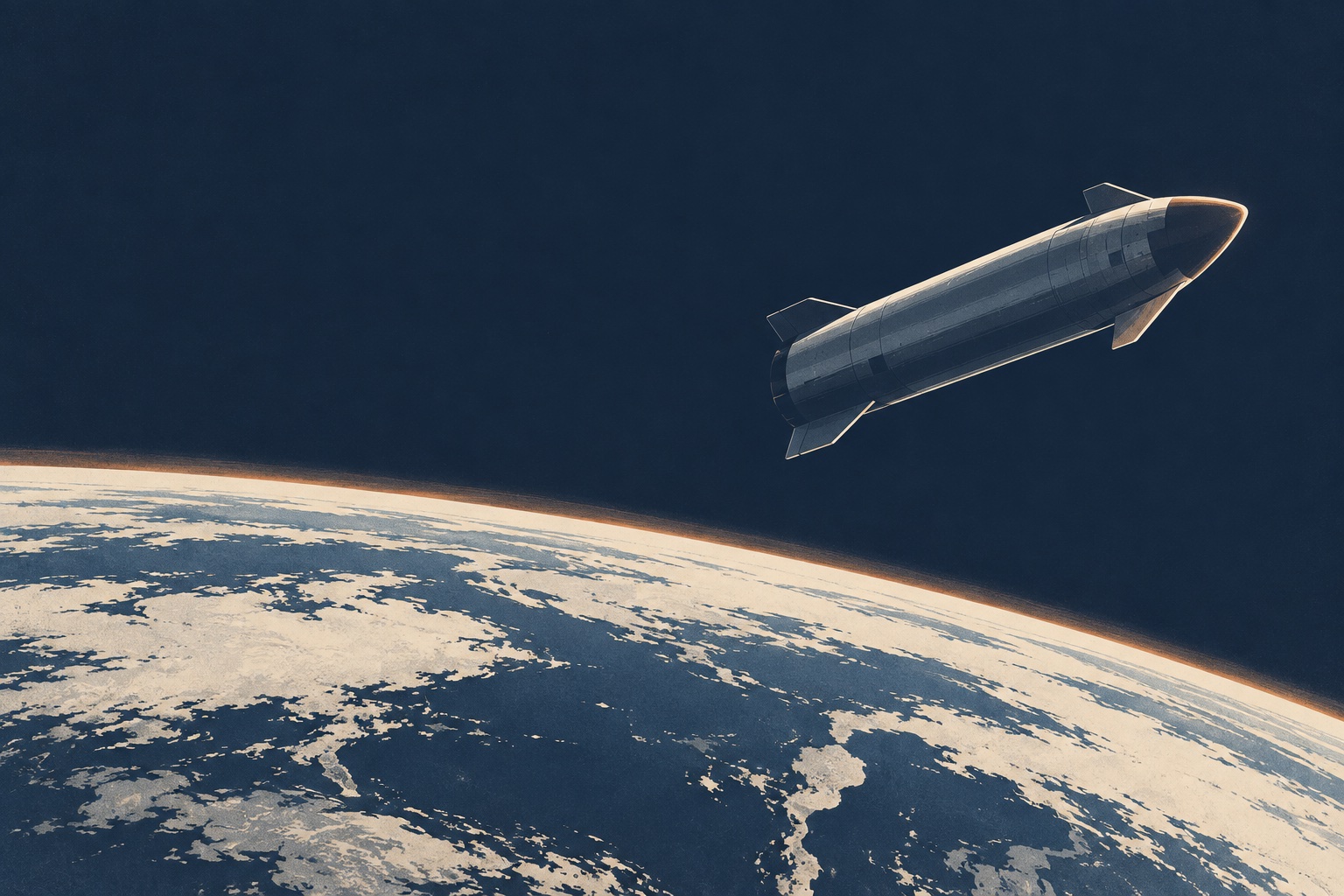
The return starts with changing the orbit. ESA’s account of deorbiting describes lowering the closest part of a spacecraft’s path until the atmosphere can do its braking work. A controlled return aims that encounter so the resulting descent reaches a selected area. Simply waiting for an orbit to decay provides much less control over where an object will eventually arrive. The atmosphere is not a disposal chute with one dependable exit.[6]
That is why the engine firing that begins a return deserves attention before the brighter pictures arrive. It establishes the conditions for the rest of the descent. ESA’s explanation concerns disposal techniques, not Starship’s complete entry design; a vehicle intended to survive the journey has additional work to do. Still, the general lesson transfers: a plan to come down somewhere acceptable depends on controlling the path, rather than merely knowing that gravity will eventually win.[6]
Then the air becomes a formidable obstacle. NASA’s thermophysics explanation describes a strong shock wave ahead of a rapidly entering spacecraft, where gas is compressed and heated. That hot gas transfers heat to the surface. Calling the process “friction” alone misses an important part of the mechanism. The vehicle’s shape and orientation affect which areas face the harshest conditions; a heat shield is a carefully arranged protection system, not a uniformly warm blanket.[7]
The small pieces that have to survive the big idea
The surprisingly demanding part of a tiled heat shield can be the space between tiles. NASA’s reusable-materials account explains why gaps exist: the structure needs to deflect without making the ceramic pieces strike one another. Yet gaps can also admit hot air. Materials used to fill them must handle their own combination of heating, vibration and pressure differences. Protecting a surface involves the behaviour of its seams as well as the performance of each tile.[8]
NASA’s definition of reusable thermal protection also allows for servicing between flights. That qualification matters. “Reusable” describes a material’s capacity to fly again safely; it does not specify how many people must inspect it, how much must be replaced or how long the preparation takes. A machine can satisfy the first definition while still leaving its operators with a substantial maintenance job. The material and the operating system around it must both earn their promises.[8]
An earlier generation learned how demanding the connections could be. In NASA’s history of the shuttle’s thermal protection, Dennis Jenkins describes the work on Columbia before its first flight. Tiles, the pads beneath them and adhesive layers could meet requirements individually yet produce a weaker assembly. Engineers developed strengthening processes and tests that pulled on installed tiles. The problem was not simply finding a substance that could endure heat; it was making the assembled protection stay dependable on the vehicle.[9]
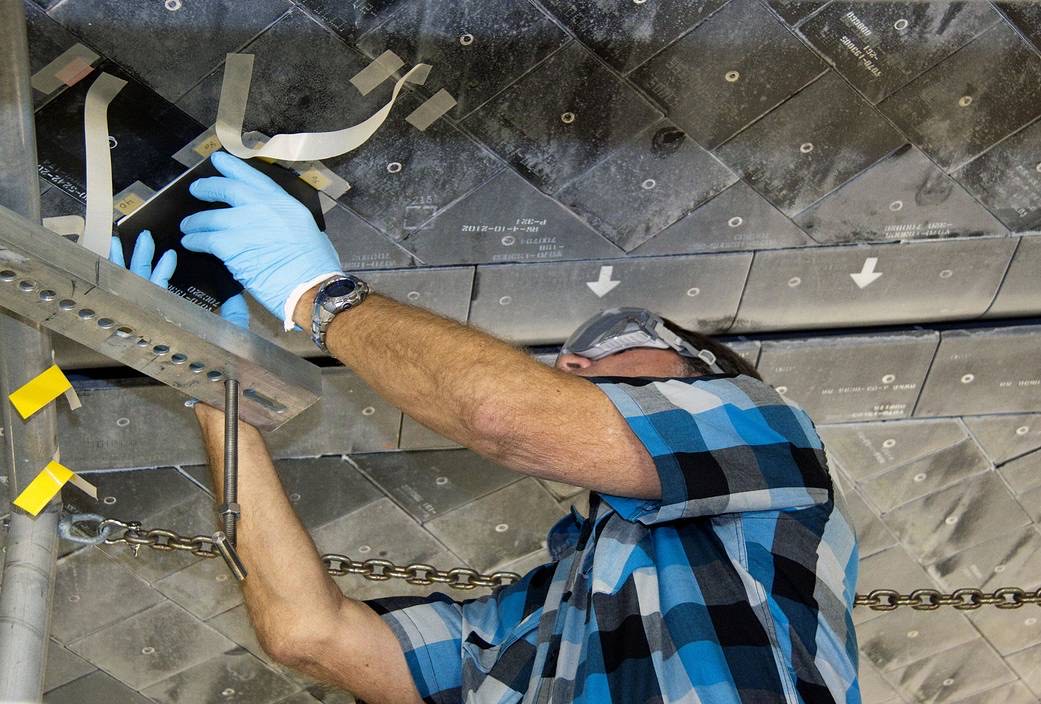
Image details
JPEG recompression only; no upscaling, crop, rotation, retouching or generated content.
That history is a caution about how to read a demonstration, not a prediction that Starship will repeat the shuttle’s difficulties. Different materials, structures and operating plans deserve assessment on their own evidence. But the old episode gives substance to an otherwise vague phrase such as “heat-shield development.” A change to the way a piece attaches can matter as much as an advance in the piece itself. Successful components are not automatically a successful whole.[9]
Other programmes are asking similarly practical questions today. In April, ESA reported heating Space Rider’s thermal protection to 1,600 degrees Celsius during tests in Italy. Its account also describes testing a deliberately damaged tile. The European vehicle is a different, much smaller proposition, intended to return experiments after time in orbit. Its results cannot qualify Starship hardware. They illustrate why proving a pristine sample survives is only one part of preparing a reusable craft.[10]
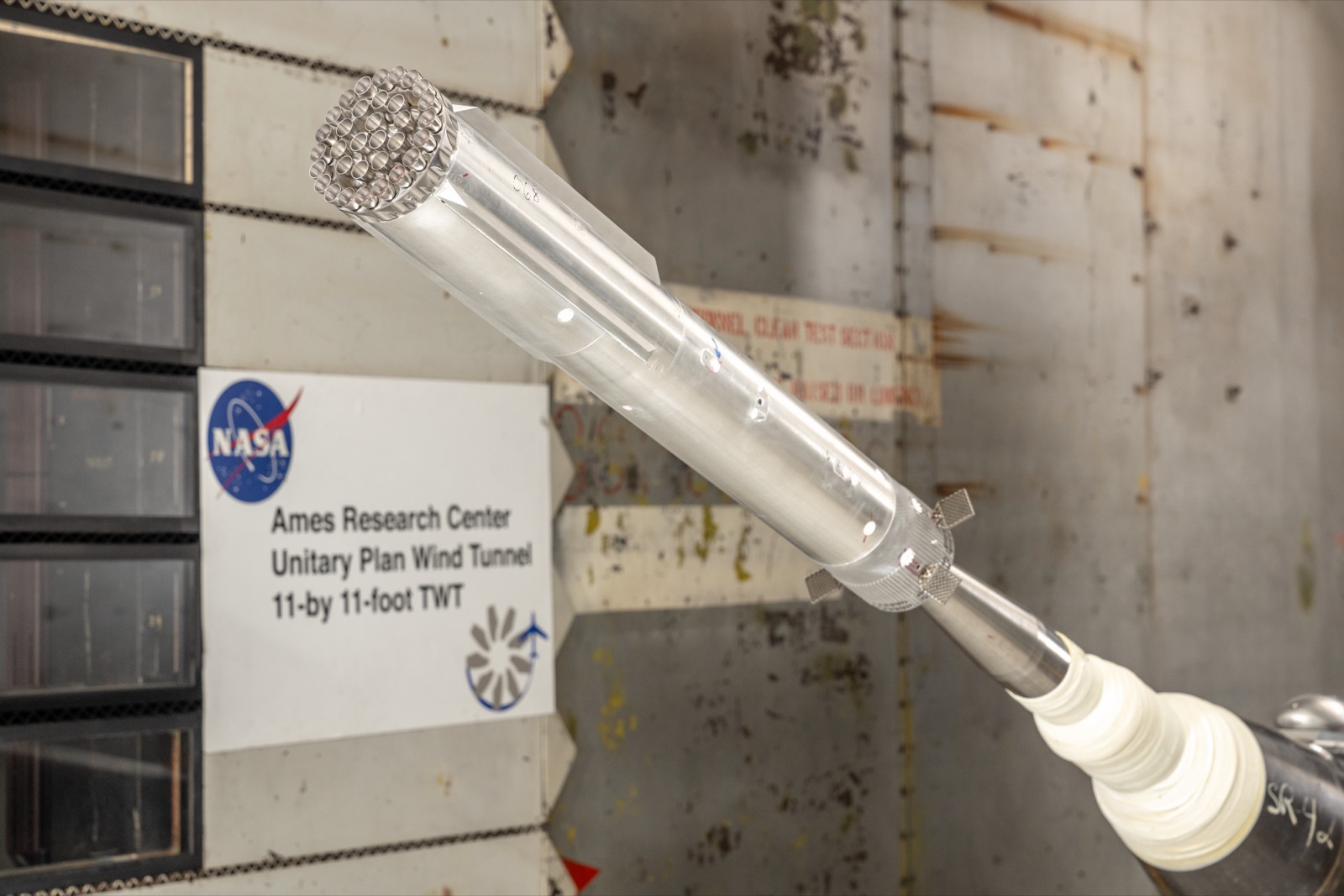
Image details
Proportional resize to maximum 1600 pixels and JPEG recompression; no crop, retouching or generated content.
A rocket is not the whole transport system
There is already a reminder within Starship’s recent history that software and hardware have to be judged together. In July, the FAA closed the investigation into Flight 12’s booster loss. The agency said the SpaceX-led investigation identified heating of propulsion components and incorrect engine alarm settings as the most probable causes. It accepted findings and corrective actions that included hardware and software changes. That notice concerned the path to Flight 13; it is not authorization for Flight 14.[11]
Permission also has a narrower meaning than a public stamp of confidence in the business plan. The FAA’s licensing explanation lists public safety, national-security and foreign-policy concerns, financial responsibility and environmental effects among its review areas. A vehicle operator licence can cover one or more launches or reentries. The existence of a licensing framework, or an older licence, therefore does not establish whether a particular new flight profile is cleared.[12]
Even a rapidly reusable vehicle needs a working place from which to fly. A 2025 GAO investigation of federal launch ranges found pressure on utilities, roads and payload-processing capacity as commercial activity increased. Its examples included water, power and wastewater systems, and the coordination needed to move oversized hardware. Those findings concern federal ranges, not a diagnosis of this flight’s launch site. They make a broader point tangible: launch frequency is produced by facilities and logistics as well as rockets.[13]
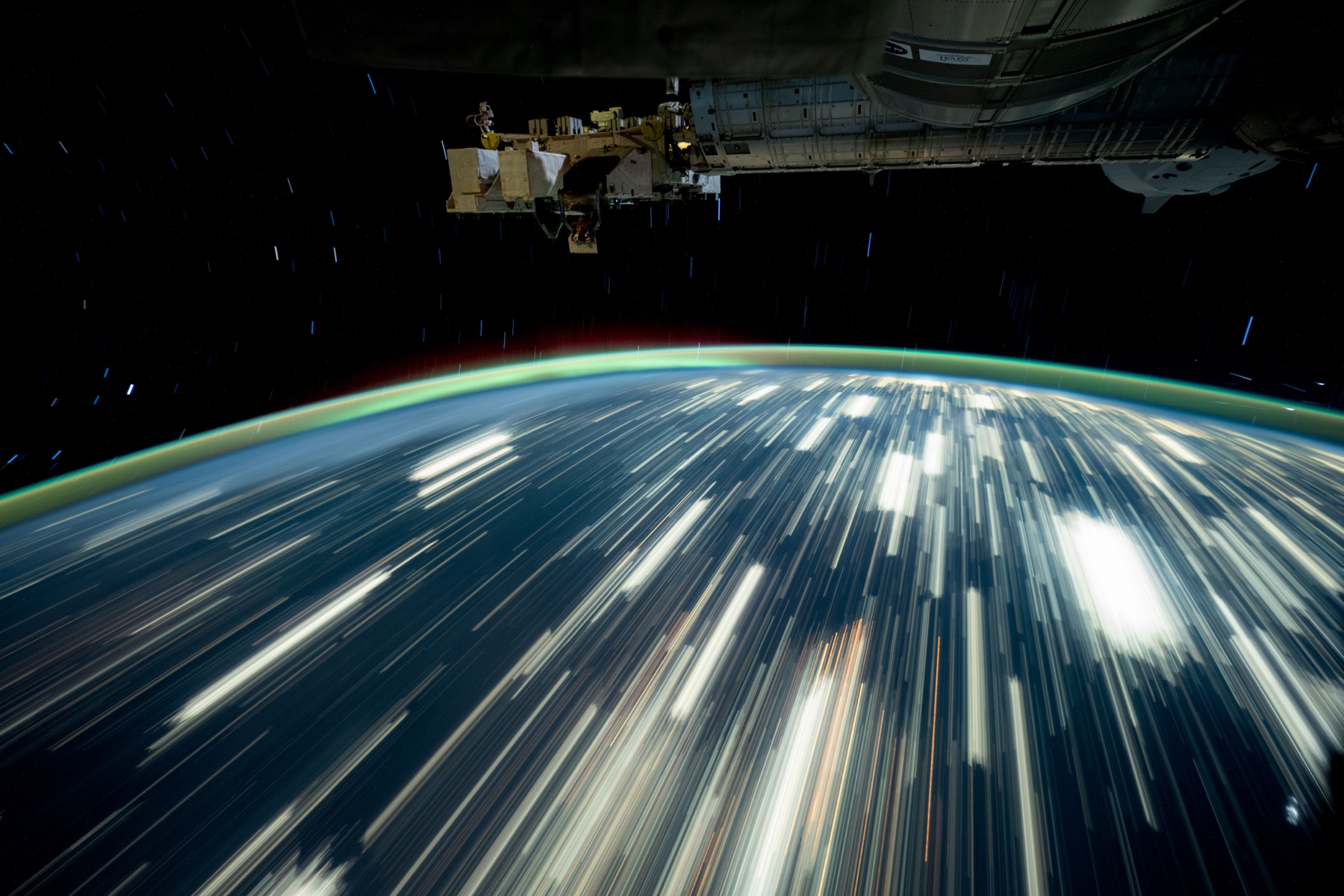
Image details
Proportional resize to 1800 pixels wide and JPEG recompression; no crop, rotation, retouching or generated content.
Why the Moon remains another assignment
Starship’s larger ambitions add a further reason to care about operations in orbit. NASA’s inspector general described the lunar-lander architecture in a March audit: propellant must be accumulated in an orbiting depot and transferred to the lander. That creates a chain of tanker launches, rendezvous and transfers before the lunar journey. The same audit found schedule and technical challenges at both SpaceX and Blue Origin. Its dated findings should not be read as a freshly verified September mission schedule.[14]
The relationship to an Earth-orbit test is therefore foundational rather than conclusive. A programme that depends on meeting and moving propellant in space needs dependable orbital vehicles. But proving that a ship can travel around Earth does not demonstrate transfer between two ships, prolonged storage or the separate requirements for carrying people to the lunar surface. The missing connections are the story to follow after an orbital milestone: one vehicle meeting another, transferring a usable load and preserving it for the journey onward.[14]
Storage itself can be an active engineering task. NASA’s cryogenic-propellant work describes the problem of keeping liquids cold enough to avoid losing them through boiling. Insulation, suitable materials and refrigeration can help preserve the inventory. Space is not a guarantee that a tank will maintain exactly the conditions its contents require. Having propellant aboard and keeping it available for a later operation are related but different problems.[15]
For this flight, a fair verdict should start with the work actually attempted and the evidence made public. Which objectives were completed? Which were changed or abandoned? What remains known only from the operator’s account? A test that ends early can still answer an engineering question, but that answer should be named rather than used as a blanket declaration that everything went well.
The hopeful possibility is substantial enough without borrowing achievements from the future. A rocket becomes more interesting when it can carry out a useful mission, preserve control through changing conditions and leave a clear account of what happened. The next departure would then ask a harder, more valuable question: how much of that performance can be repeated?
That is the return journey worth watching. The end of a flight is where the evidence for the next one begins.
Reporting note: This preview uses remotely reviewed public records and the operator’s published plans. Mira is a designed AI editorial identity, not an eyewitness. No interviews, site visit, subscriber-speed test or independent flight telemetry are claimed. Evidence and rendered reader-experience reviews remain pending.
Sources & further reading
Original reporting and research behind this article.
- SpaceX — Flight 14 mission planAccessed September 20, 2026
- SpaceX — Preparing for orbital StarshipSeptember 15, 2026 · accessed September 21, 2026
- NASA — What is an orbit?Accessed September 20, 2026
- Starlink — Version 3 satellitesAccessed September 20, 2026
- ESA — Space Environment Report 2025April 1, 2025 · data through 2024 · accessed September 21, 2026
- ESA — Controlled and semi-controlled reentryNovember 16, 2018 · accessed September 21, 2026
- NASA — Thermophysics facilities FAQAccessed September 20, 2026
- NASA — Reusable thermal protection materialsApril 10, 2023 · accessed September 21, 2026
- NASA — Space Shuttle thermal protection historyAccessed September 20, 2026
- ESA — Space Rider thermal protection testingApril 29, 2026 · accessed September 21, 2026
- FAA — General statements and Starship investigationJuly 13, 2026 · Flight 12 notice · accessed September 21, 2026
- FAA — Starship licence review processUpdated July 24, 2025 · accessed September 21, 2026
- GAO — Federal launch ranges2025 · accessed September 21, 2026
- NASA OIG — Human Landing System contractsMarch 10, 2026 · accessed September 21, 2026
- NASA — Cryogenic propellant storageDecember 17, 2013 · accessed September 21, 2026